Considering the ethics of using AI for TTRPG design
Self-publishing, crowdfunding, and social media publicity underpin the incredibly rich ecosystem of TTRPG material one can purchase in the modern era. You would need a very wealthy benefactor to buy even just the things you are personally interested in.
It's a vastly different world than when I first began playing in the early 1980s when regular visits to the local game store with your hard-earned cash from your weekend job got you the occasional new module or supplement a handful of times a year. Now, there are new things being brought to life every week, from cheap and cheerful lists of 100 new oozes you can have as a familiar to entire mega-funded campaign and rules supplements like Neon Odyssey. We're spoiled for (or paralysed by) choice.
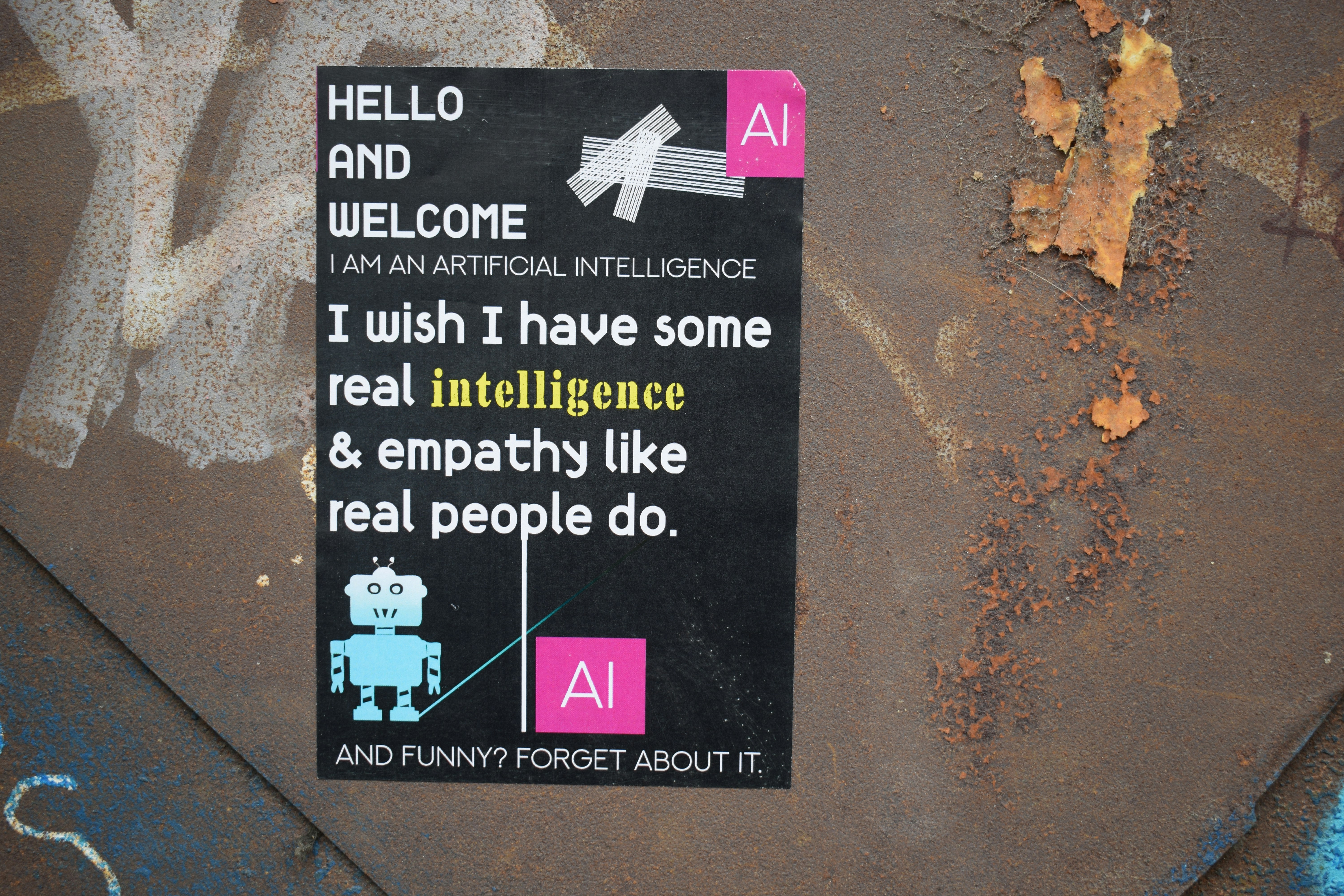
Something I've noticed in many of these works is a reliance on AI tools like Midjourney to produce the visuals that fill them. Given the well-understood and legitimate questions regarding the use of AI, it's a good thing that Kickstarter and other crowdfunding platforms require projects to state whether and how they're using AI tools in their projects. You'll see frequent statements saying things like:
To enhance the visual appeal of our supplement, we utilize AI tools (such as Midjourney, and Firefly) to generate some of the images. These AI-generated images are then carefully edited by our team to align with the creative vision of our project.
I've purchased a handful of these materials, being interested in the content, but I have had the sense that something was amiss. Sitting back and thinking about what's not right, of course, is the question of whether supporting independent authorship of TTRPG material with my money is moral and ethical when the project has used AI tools to generate some part of the project (usually art, but also other elements such as editing and music)?
I’m not going to reprosecute all the extensive arguments for not using AI; those have been made by people far more expert than I. If you want to read a strongly worded summary of those arguments with extensive linking in a single place, you should not go past Anthony Moser’s outstanding essay I am an AI Hater. Moser gets completely to the point when he concludes:
I became a hater by doing precisely those things AI cannot do: reading and understanding human language; thinking and reasoning about ideas; considering the meaning of my words and their context; loving people, making art, living in my body with its flaws and feelings and life. AI cannot be a hater, because AI does not feel, or know, or care. Only humans can be haters. I celebrate my humanity.
Even if the written content of a project is remarkably good, projects choosing to use AI generated art (for every kind of artistry)—often in a particular and recognisable style—present us a dilemma: principally, whose art is this emulating and how was the AI trained to do this?
Alongside this core question, do we actually want every new D&D, or Daggerheart, or Mork Borg supplement or module to emulate the original’s art style, or do we want to open up possibilities for new and emerging TTRPG artists, musicians, sound designers, and cartographers to enter the industry? There are literally thousands of people out there—easily found on places from Instagram to DeviantArt—who would gladly join your project and help with artistic assets for a fair share of the profits, or a reasonable fee, and to see their work in print.
Alternatively, if your budget really doesn't extend to paying someone to make art for your project (and maybe you should ask yourself why this is the case), the web is literally full of sources for free or low-cost visuals and sounds in just about any style from photographic reality to Victorian illustration line drawings to paintings in the public domain from places like the Rijksmuseum and British Museum.
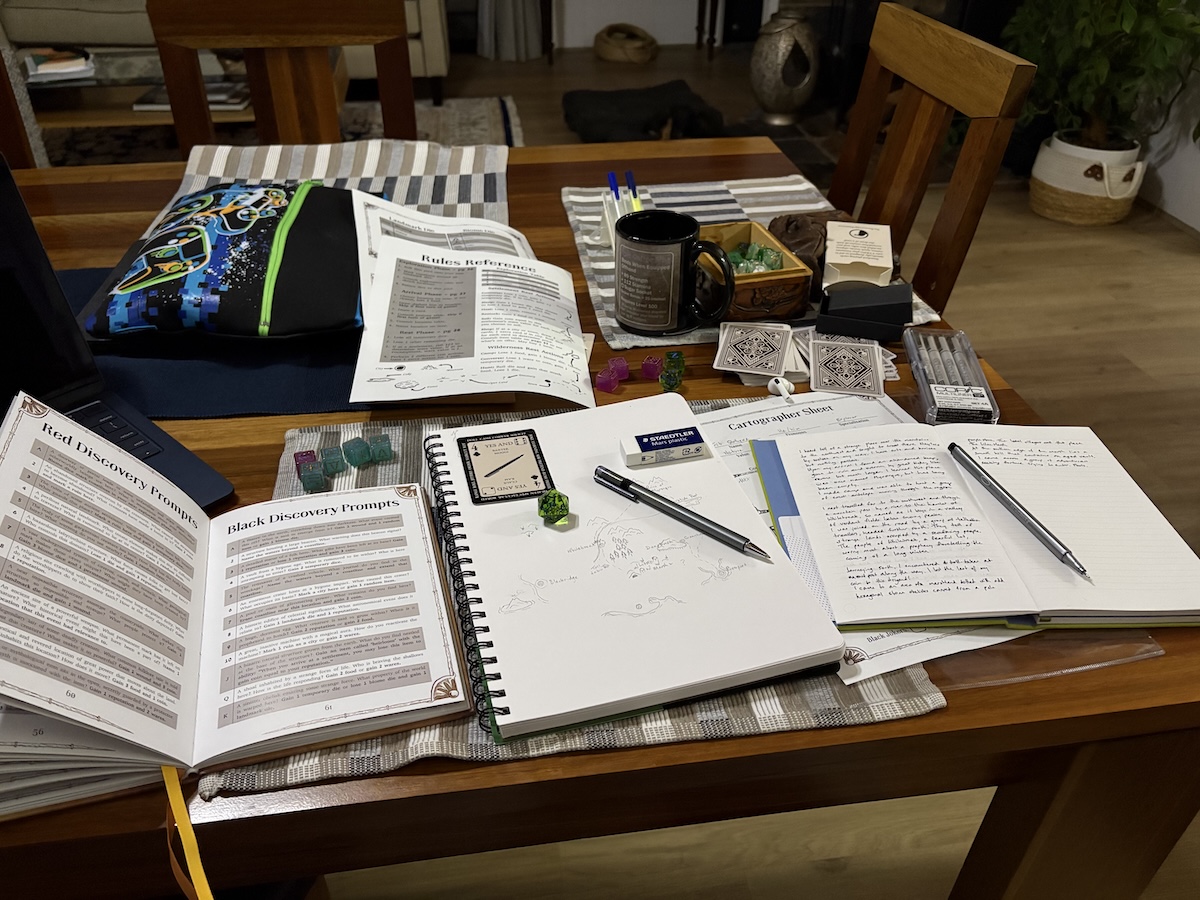
Hey, I'm no artist but I'll have a go at maps and they're pretty acceptable. You can certainly make your own. Playing games like Australian micro-studio Ravensridge Emporium's Cartograph will help you build skills in both mapping and writing narrative. They also happen to have taken a hard stance against the use of AI in their products. So too have much larger studios like Kobold Press, who made their commitment almost two years ago.
This same argument stands for improving the writing and visual design on TTRPG projects, as it does for the inclusion of thematic or mood sound, effects, and music. Go find an editor, musician, or layout designer and ask them to help improve your material for a reasonable fee before you fling the project onto Kickstarter or Backerkit.
From now on, I’m going to do two things:
- I’m no longer backing or buying TTRPG materials that use AI to replace human skill and artistry. Instead, I'm going to explicitly seek out projects that take a stand and choose to use human artists, musicians, designers, and editors.
- Gently encourage the makers of otherwise good projects I'm interested in to switch future projects to using humans for artistic components of their works. These folks are making fantastic things, and if they can also make what to me seem better decisions about project contributors, their work will deserve attention and my money.
In conclusion, I'd like to encourage you to consider where you stand on the use of AI in TTRPG design. I'm not here to tell you what decision you should make, but I would ask that next time you're about to back a project that chooses to use AI for parts of its development process that you ask yourself whether that's an ethical or morally sound decision given all the factors at play.
Comments