
On player safety
 Stephen Collins
On one of the Discord servers I'm on, there's been lengthy, insightful conversation over the past day on player safety and how we each go about it.
Let's start with an absolute: player safety is paramount.
You do not know what lies within the psyche of your players, even if you know them well. It behooves you as GM to ensure that everyone gathered at your table feels safe and welcome. It is important to set a standard, make it crystal clear what your table rules are, and to ensure that not only are those rules understood, but that that should they be broken, that action is taken to repair and resolve issues.
This is a big responsibility.
Safety for your player community
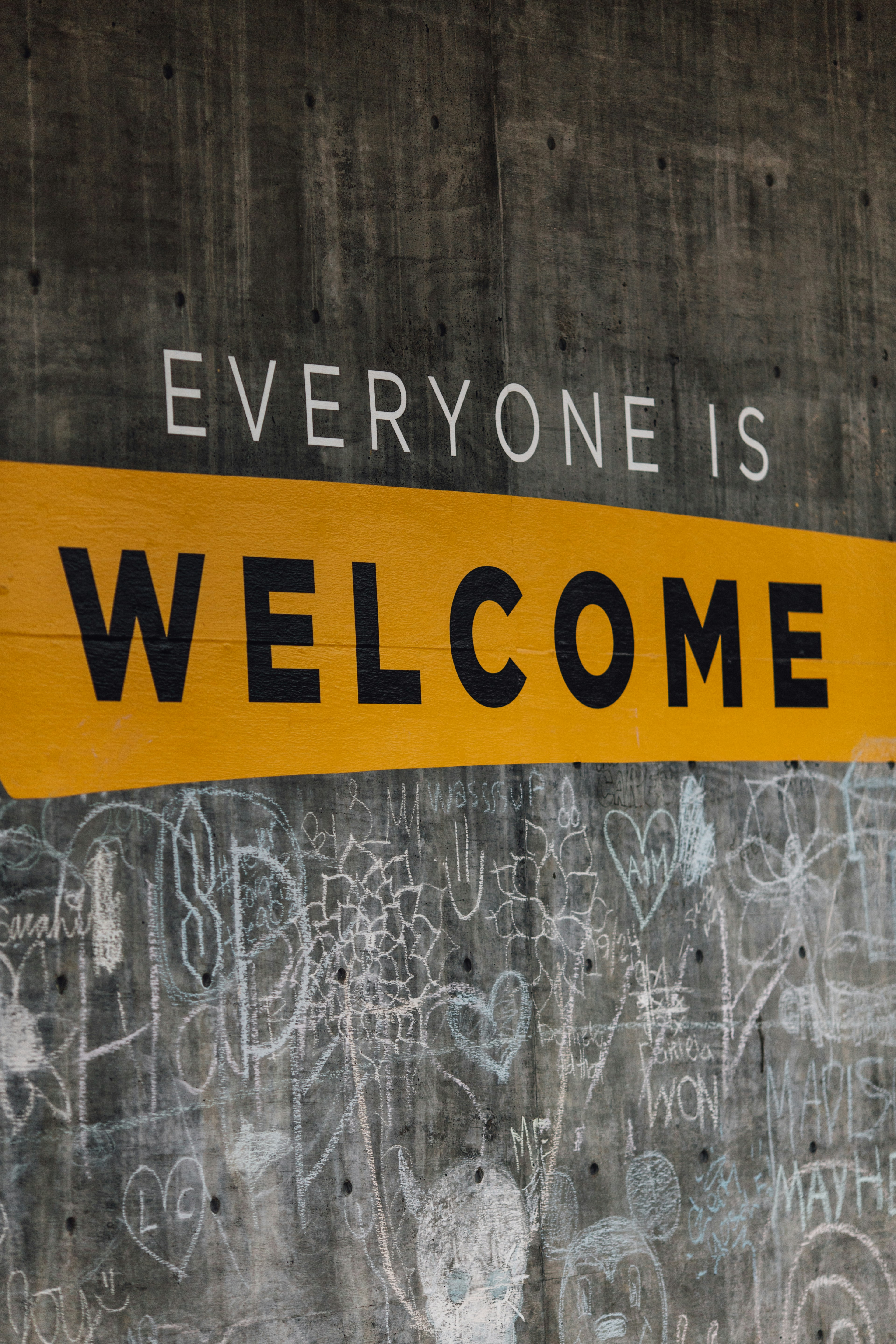
If your table or wider gaming community isn't a welcoming space for people of all sorts to visit and participate in, personally, I think you have a problem. You certainly won't attract the diversity of players that will enrich your game and your life.
Ensuring that the people who are a part of your game understand the behaviours expected of them—even if they are your friends—means that you need to set some ground rules. Ideally, you can do this with your players, not to them.
As most of my play is online, the Discord server we use has what I hope is a clear code of conduct, and everyone is expected to abide by it. It is an aggregation and adaption of codes of conduct on several other servers I spend time on. The entire text is shown below.
Code of conductPlease treat this server as if it was a valued public space like a museum or gallery. It is a shared community resource — a place to share skills, knowledge and interests through ongoing conversation. These rules exist to set expectations rather than as a set of absolutes. We'll adopt and evolve better rules as needed. If you think a rule needs change, raise it with the group, or if you prefer, an admin first. Respect and equalityWe will treat community members fairly and with respect. We will respect every community member’s gender identity, race, nationality, ethnicity, sexual orientation, disability, neuro(a)typicality, physical appearance, and religion or absence thereof. No harassmentThis community is an environment free from physical, verbal, emotional, or sexual harassment. Demeaning, discriminatory, abusive, or harassing behaviour will not be tolerated. BoundariesIndividuals have the right to set boundaries for behaviour. If someone tells us something we are doing or saying is problematic, we will immediately stop (and edit or delete posts as needed). PG and sensitive topicsThis server aims to be a PG environment. We will strive to use appropriate language. We will be careful with sensitive or uncomfortable topics and avoid them when possible. Individuals have the right to express discomfort or sensitivity to topics and to request that the topics no longer be presented to them or that a post be edited or deleted. Be agreeable, even when you disagreeYou may wish to respond to something by disagreeing. That’s fine. But remember to criticise ideas, not people. Please avoid:
Instead, provide thoughtful insights that improve the conversation. Reporting incidents and moderationIf an incident takes place, please do the following:
Receiving feedback that your behaviour is problematicIf anyone says you have violated the Code of Conduct or your behaviour is problematic:
Resolving incidentsAny incident will be reviewed with any involved parties and with the responsible party. A decision will be made by the server owner as to whether a warning, suspension, or removal should take place. No GenAI. Ever.Generative AI is an unethical technology that creates immense harm in the world generally, in the TTRPG industry, and in our lives specifically. Please do not:
Note that machine-learning tools, such as grammar checkers and photo editing tools, do not fall under the generative AI banner. There is no restriction on how tools like that are used, though there is a preference for learning the skills these tools help with so that you don't need them. |
In-game safety
Players should be encouraged to privately let the DM know any lines or veils that will bother them, especially any triggering or upsetting activities, monsters, or situations. If you run a game that takes normal human emotions into account, it is unlikely that most troubling human issues will be crossed, but it's best to be aware. And it's critical to ask.
There are a range of tools available to do this, mentioned at the end of this post.
As a part of my campaign introduction documents I include the following text. It's not wholly my original work, but adapted from several sources.
Table safetyThe typical game will probably be somewhere between PG and MA15+. It might get a little violent, bawdy, or sweary, but only in the interest of the story and only in context. Consider those around you and moderate yourself accordingly. The campaign may feature themes, incidents, or creatures that cause personal discomfort. We will deal with these as sensitively as possible. LinesThis game will not contain instances of physical violence towards children, unwanted sexual contact, animal abuse or cruelty, party-initiated torture, intra-party violence, or intra-party betrayal. VeilsCannibalism, mental assault, ritual sacrifice, kidnapping, consensual sex, enemy-initiated torture, extreme gore, or parasitic invasion will be “veiled” off-screen. If at any time you don’t feel comfortable with the content or direction of the game, say “pause for a second” and we will stop the game and address your concerns. |
I also include some directives in my character creation guidelines.
Your character
|
Playing TTRPGs with young people
There is a much longer conversation to be had here, and I am not the expert. So just a brief comment from me.
Younger players, under 13-16 years, may need additional guidance on what is acceptable at the table. You must ensure that you have parental consent to provide social guidance to children of other people.
Here in Australia, especially if you are volunteering for a kid's gaming group in any capacity, you may be required to obtain a Working with Children or Working with Vulnerable People check. These are managed at state government level.
Tools you can use
There are many tools available to help you with player safety. Using them will only help you improve your game.
- The Deck of Player Safety, which is available in both physical and digital form
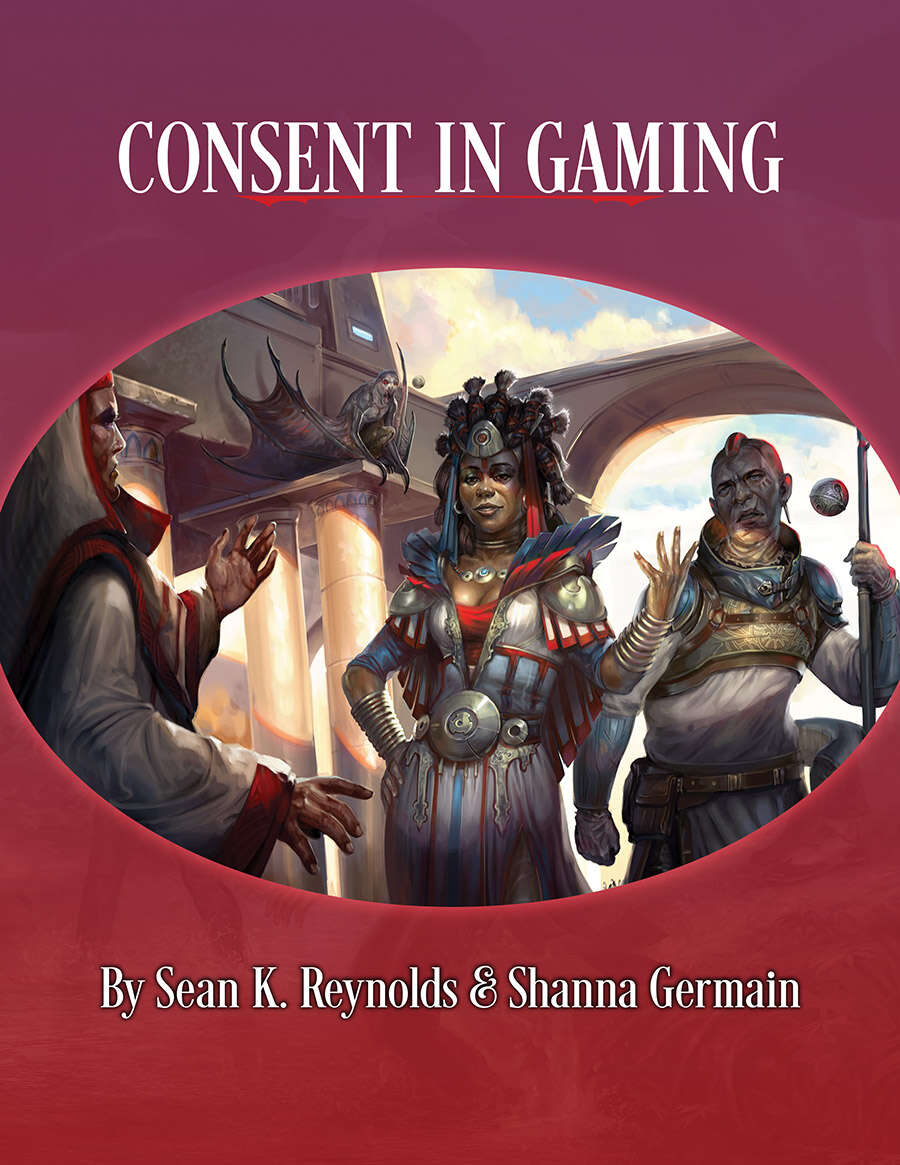
- Monte Cook Games' Consent in Gaming, which will both help you judge what to include and how in terms of mature content in your game, how to raise it with your players, and how to deal with things when a player feels uncomfortable
- the TTRPG Safety Toolkit from Kienna Shaw and Lauren Bryant-Monk, which is available in several languages
I hope this look into how player safety is managed for my group is useful. I value your input and would welcome comments.
Comments