
Building an online TTRPG toolkit - Part 3: Online character sheets, tabletop visualisation, and content sharing
 Stephen Collins
This is the third part of my series detailing the tools I have assembled to play TTRPGs, and how I use them. You can also read the previous entries on record-keeping and writing and communication. This post will detail the choices we've made around our virtual tabletop and integration with character building and game rules and resources.
While neither the most full-featured or most versatile VTT around, because this is largely a new group, and presently playing only D&D and using and sharing the digital content I have as DM, D&D Beyond and the Maps VTT seems the logical initial choice. This may change if we switch to another RPG system, or decide a different VTT provides us with the range of tools we need. I have a license for Foundry, for example, but right now buying content for a second VTT isn't an enticing choice.
StartPlaying has a big list of VTT options, though it was published 3 years ago now, so is somewhat out of date. The usual suspects are on there, including Fantasy Grounds, Foundry, Roll20, Owlbear Rodeo, and Shard, all of which I hear good things about. Pick the VTT that most suits you, your group, and the kind of games you plan to play. There's not right choice, just the right choice for you and your group.
Player and DM resources
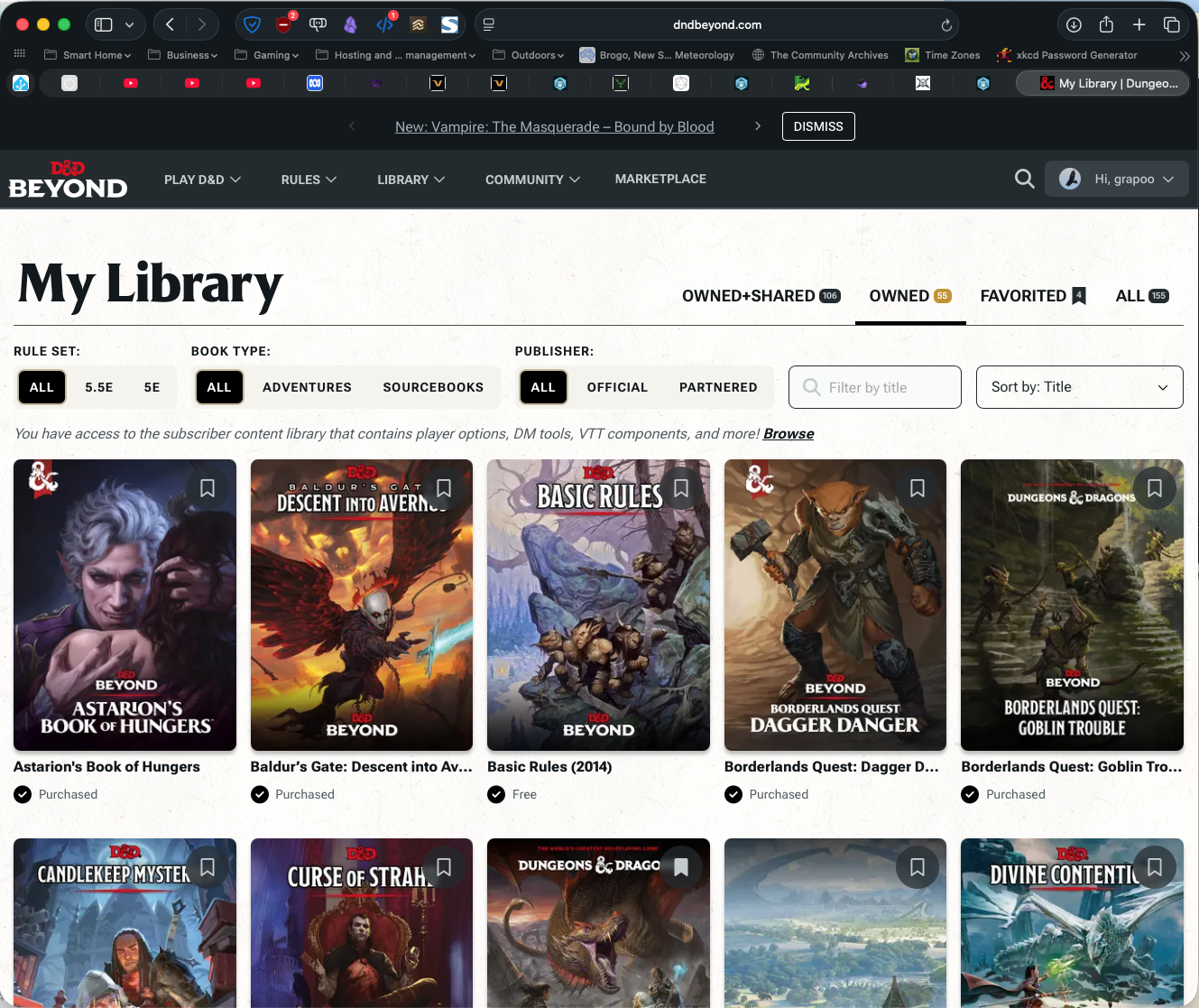
So, what are we getting with D&D Beyond that's useful to us? If you're buying digital versions of D&D publications from the source, here's where your digital library lives. Searchable (though it could be improved with some better filtering and metadata on content), readable anywhere you have web (or official app) access, and hooked into play tools as well. If you've ever looked at the free Basic Rules for 5th Edition (both 2014 and 2024 variants), you know what you're getting.
Character creation and management
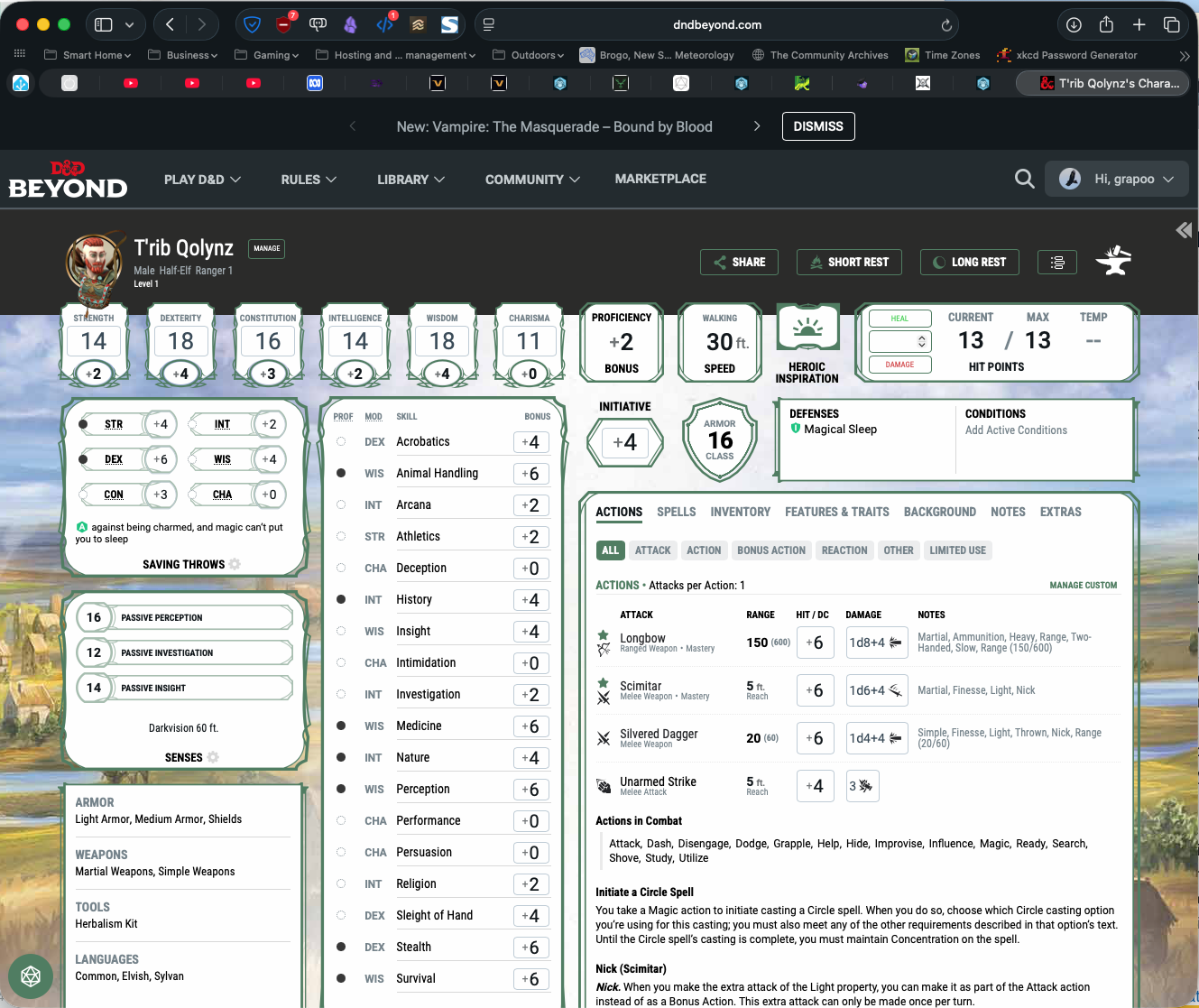
The starting point for many Beyond users is the Character Creator. With the free Basic Rules wired in, there's no barrier to new players getting their hands dirty. As you or your DM builds a collection of digital content, those supplemental materials can be added to the character builder to allow more character variants across classes, subclasses, backgrounds, and more.
Campaign information and content sharing
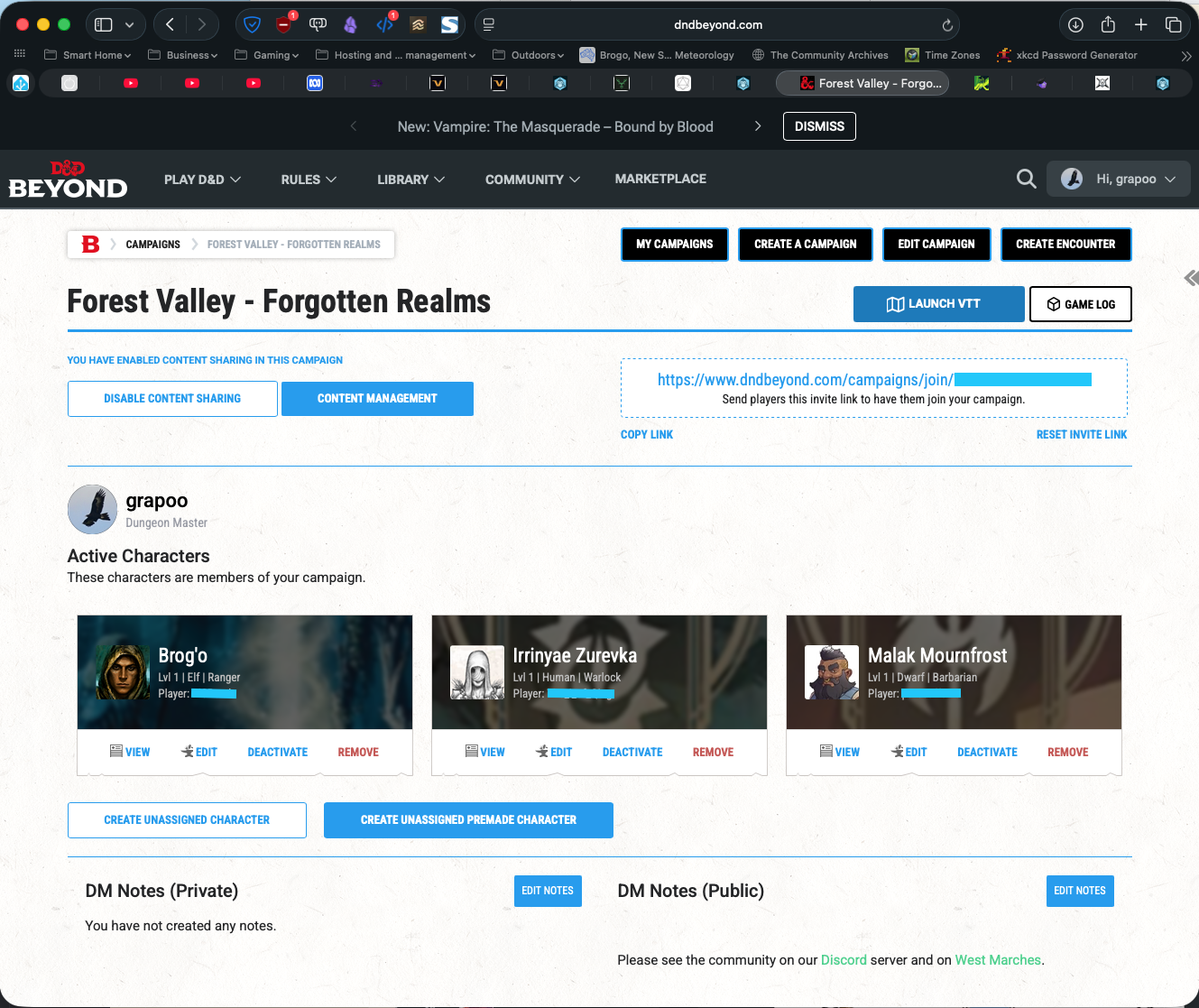
Once players are equipped with characters, they can join their DM's campaign. This is just the beginning, as any rulebooks, adventures, and extras the DM might have purchased can be shared with players. For the players in my group, that's books with additional character and world information, and when adventuring, maps, encounters and the like. Of course, I still need to run the game.
The home for that is the Campaign page, where I can coordinate content sharing, edit the campaign, see the characters from other players, and a log of rolls and actions from past activity. I can add notes for myself as GM as well as public notes for everyone, though for our purposes they exist in other places. I can also launch the Maps VTT from here.
Gameplay visualisation
So, now we're in the VTT. By all accounts, Maps has matured significantly over the past year, and now has a range of useful features. Certainly, D&D are keen on keeping fans updated as to what's going on as new features and improvements happen. Maps is deeply enmeshed with D&D's other products under the Beyond banner, so any content you own, whether that's published adventures, sourcebooks, maps, encounters, or any other material, can be visualised here and used in play. You can also upload your own maps for play. Unfortunately, right now, you can't upload your own tokens to play with unless you build a monster in the Homebrew section, so you're somewhat limited to officially published foes and allies. Nor can you upload your own images for display to players in what Maps refers to as Reveals. This feature and your own custom tokens needs some work as features go.
However, you can pretty quickly spin up an encounter. Initiative, conditions, dice rolling, are all managed on screen. The one thing that I feel is missing here, and it's very picky, is that if I'm a player or DM who likes rolling physical dice, there's not a quick and easy way (that I can find) of dropping those rolls into the VTT. I'd like to see that as a thing if possible; I'm sure it's doable.
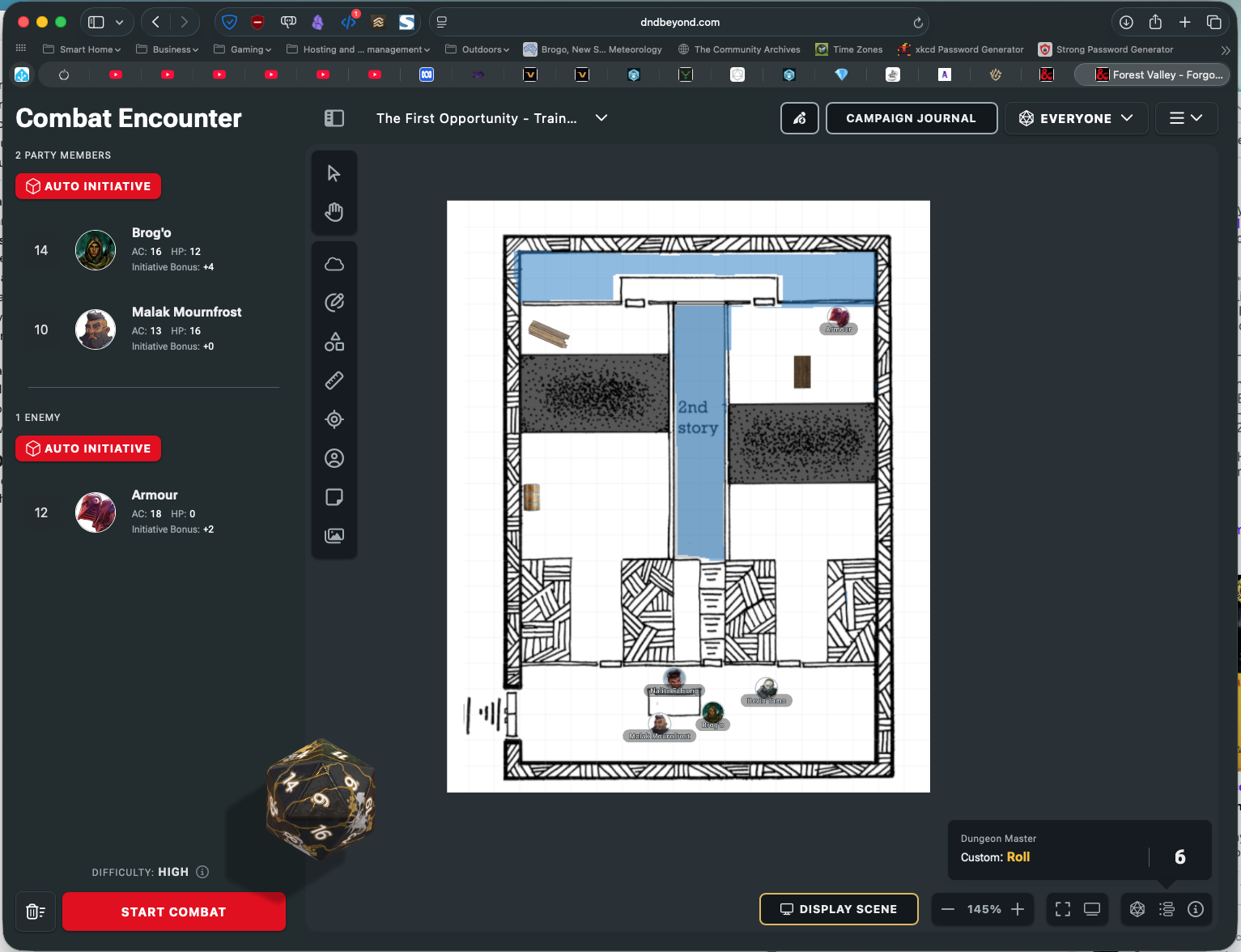
That's about it for everything D&D Beyond is giving us. Tomorrow or maybe Friday—I have timber harvesting to do on the property tomorrow, and maybe I'll blog about that—I'll post about the extra bits and pieces we're running to complete our tool kit.
Comments